Transgender inmates ask Supreme Court to keep hormone therapy order in place

Inmates say the Bureau of Prisons is trying to overturn a decades-old practice; the government says a lower court overstepped.
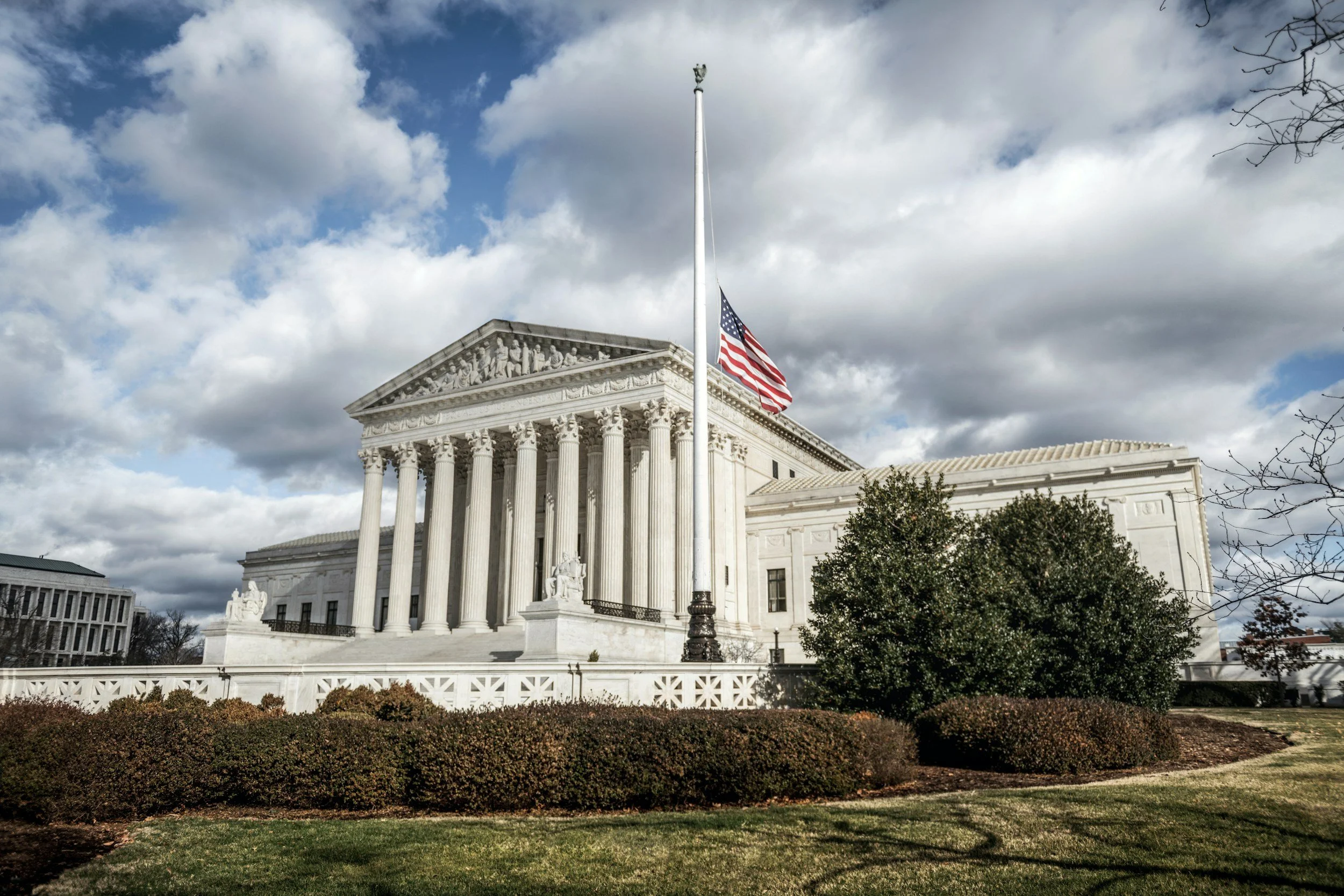
A class of transgender inmates held in federal prisons asked the Supreme Court on Thursday to reject the Trump administration’s bid to enforce a new Bureau of Prisons policy that would end hormone therapy and so-called “social accommodations” such as makeup, wigs and padding. Li Nowlin-Sohl, an attorney for the inmates, told the justices that the government is effectively asking them to undo a status quo that has held for roughly 30 years.
The filing came in response to an emergency application the administration submitted on Sept. 28. Chief Justice John Roberts, who handles emergency matters from the D.C. Circuit, set a deadline of 4 p.m. on October 8 for the prisoners’ lawyers to respond. The full court could act at any time.
How the case began
The dispute traces back to the first days of President Donald Trump’s second term. On January 20, 2025, Trump issued an executive order that, among other things, targeted incarcerated transgender people by prohibiting gender-affirming medical care in federal prisons and immigration detention centers. The order told the attorney general to make sure no federal money was spent on medical procedures, treatments or drugs meant to make an inmate’s appearance conform to the opposite sex. In late February 2025, the agency also issued memos barring transgender prisoners from buying items such as chest binders and hair removal devices, or obtaining undergarments matching their gender identity.
On March 7, 2025, three incarcerated transgender individuals filed a class-action lawsuit in federal court in Washington. The case, Kingdom v. Trump, was brought by two transgender men and one transgender woman serving sentences in facilities in New Jersey, Minnesota, and Florida, represented by the ACLU, the ACLU of DC, and the Transgender Law Center. The lead plaintiff, Alishea Kingdom, lost her hormone therapy in January at Fairton Federal Correctional Institution, a men’s prison in New Jersey.
The number of people affected is significant. Of the 155,000 people in federal prisons, just over 2,000, or about 1.2%, are transgender, and the agency said in 2025 that it was providing hormone therapy to more than 600 inmates.
A judge’s repeated rulings
Senior U.S. District Judge Royce Lamberth, a Reagan appointee, has ruled for the inmates several times. He issued an initial injunction in June 2025 protecting hormone therapy and social accommodations, and certified a class covering current and future federal prisoners diagnosed with gender dysphoria. That ruling rested on administrative law: Lamberth found the prisoners likely to succeed under the Administrative Procedure Act and left their Eighth Amendment claims unresolved. At the time, the only justification BOP gave for the policy was that it was carrying out Trump’s executive order.
The bureau then went back to the drawing board. In February 2026 it adopted a new policy that, it said, was reached independently of the executive order, backed by a lengthy administrative record and a 43-page memo citing updated scientific evidence. That policy barred hormone regimens for new inmates, prohibited transition-related surgeries and accommodations, and required inmates already on hormones to be tapered off over time. The bureau said it no longer trusted standards from the World Professional Association for Transgender Health, which its earlier policies had relied on, and argued that providing such care could expose transgender prisoners to violence and stir resentment among other inmates.
Lamberth blocked the new policy too. In a June 2026 opinion, he stressed that his decision focused on whether the bureau followed proper procedure, writing that the court had no intention of joining the culture war over transgender individuals. His most recent order came on Aug. 26, and on Sept. 18 a divided D.C. Circuit panel declined to put it on hold.
The government’s case
In the Supreme Court, Solicitor General D. John Sauer argued that Lamberth swapped in his own policy preferences for the bureau’s, looked at evidence beyond the administrative record, held the agency’s compliance with presidential direction against it, and failed to give prison officials the heavy deference they are owed. The government told the justices the bureau had determined that surgeries, hormone interventions in general, and social accommodations could no longer be justified as treatment for gender dysphoria. The policy would still allow mental health therapy to continue.
The inmates’ response
Thursday’s brief argues that the new policy still fails the APA’s requirement of a reasoned explanation. According to the inmates, the bureau’s record says nothing about its own long experience providing hormones and accommodations, and contains no evidence on whether its doctors found that care helpful, ineffective or harmful. They also say the bureau replaced treatment its clinicians had recommended for decades with psychotherapy and psychiatric drugs that, by the medical director’s own account, address conditions like depression and anxiety rather than gender dysphoria. Leaving key evidence out of the record, they contend, shows the stated rationales were built after the fact to satisfy the president’s order.
The inmates also argue that pausing Lamberth’s order would cause harm that cannot be undone: physical changes to their bodies and a serious risk of worsening dysphoria, depression, anxiety, self-harm and suicidality. Lamberth has noted that the bureau does not dispute that gender dysphoria can cause severe effects, including depression, anxiety and suicidal thoughts. Outside the courtroom, the Endocrine Society supports access to gender-affirming treatment and maintains clinical guidelines for hormone therapy.
What comes next
The justices will decide whether to let the bureau enforce its policy while the litigation continues. The administration enters on favorable ground: the conservative-majority Court has previously upheld state laws banning certain medical treatments for transgender youth and restrictions on transgender athletes in women’s sports. But this case turns largely on a different question — whether a federal agency adequately explained a major policy reversal — which could give the justices a narrower path either way.
More from Rationally Based